


Dyslexia, Dyscalculia and Dyspraxia Assessments
Our experienced clinicians provide comprehensive, person-centred assessments that explore an individual's learning profile, strengths and areas of difficulty. We take time to understand each person's experiences and how these impact education, employment and everyday life.
Following assessment, we provide a detailed report with practical recommendations that can be shared with schools, colleges, universities, employers and other professionals where appropriate.
Whether you are seeking answers for yourself or your child, our aim is to provide a supportive, respectful assessment process that leads to greater understanding, confidence and access to the right support.

Dyslexia Assessments
Dyslexia is a specific learning difficulty that is related to the way the brain processes written information in particular, and it can hold people back from reaching their potential in school/college and beyond. On the positive side, people with Dyslexia can also have strengths in creativity, problem-solving and big-picture thinking.
Dyslexia may show up as difficulties with:
-
Reading fluently
-
Spelling accurately
-
Organising written work
-
Remembering verbal information
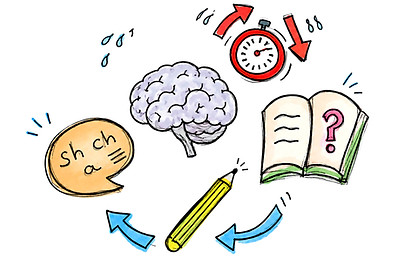
It is crucial to get the right support and strategies for people with Dyslexia to thrive in education, employment and daily life.
Dyscalculia Assessments
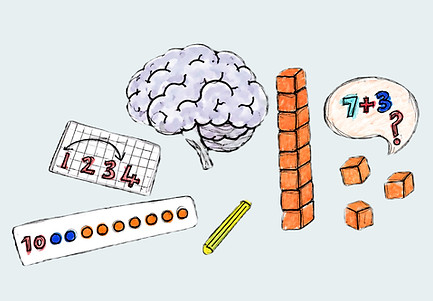
Dyscalculia is a specific learning difference that affects the understanding of numbers and mathematical concepts.
Individuals may find it difficult to:
-
Understand number relationships
-
Manage money
-
Learn times tables
-
Tell the time
-
Make estimations and calculations
Dyscalculia can have a significant impact on education, work and everyday tasks such as budgeting or measuring. Early identification allows tailored support to develop confidence and practical mathematical skills.
Dyspraxia (DCD) Assessments
Dyspraxia, also known as Developmental Coordination Disorder (DCD), affects motor coordination, planning and organisation.
People with Dyspraxia may experience challenges with:
-
Balance,
-
Handwriting and using tools,
-
Learning new motor skills
-
Organising everyday tasks.
-
Planning and time management
-
Sequencing activities
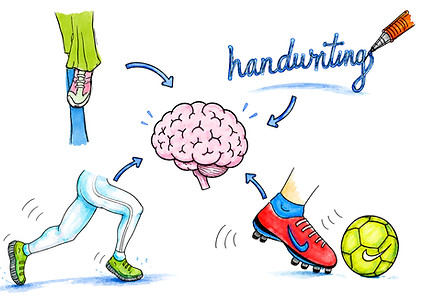
Dyspraxia does not affect intelligence, and many people can demonstrate strengths in creativity, determination and innovative thinking. Appropriate assessment and support can make a significant difference to independence and quality of life.

Dyslexia Assessment
Costs
£850
Dyscalculia Assessment
Costs
£850
Dyspraxia Assessment
Costs
£545

Parent
ANE was recommended to me by another mam which I’m very thankful for as the process, care, support and detail has been amazing.
Parent
My family and I have had wonderful experiences with Autism North East, supporting our neurodivergent children on numerous occasions.
Parent
They provided unbiased and compassionate expertise, advice and support, that we have found nowhere else.
Parent
They were recommended to us by a friend and we do not hesitate to recommend them to others.


